Monitoring and analytical solutions for fuel quality, boiler operations, and emissions programs
Industrial boiler operators face a range of measurement, monitoring, and analytical challenges, from fuel quality and combustion efficiency to emissions monitoring and regulatory reporting.
Ohio Lumex provides analytical instruments, sampling equipment, and laboratory services that support boiler operations across a variety of industrial applications. Whether evaluating fuel streams, measuring trace contaminants, or supporting emissions programs, our team can help identify solutions tailored to your specific requirements.
Ohio Lumex provides measurement, monitoring, and analytical solutions that support industrial boiler operations, emissions programs, and fuel quality assessment.
Ohio Lumex provides field testing and instrument support services for industrial boiler operators, process facilities, and emissions monitoring programs throughout North America.
Field Testing
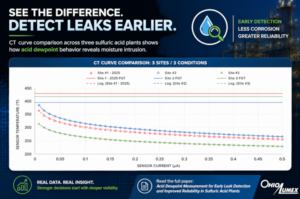
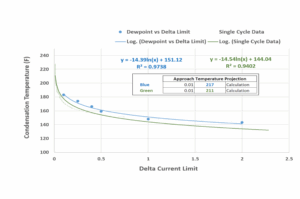
Our field services team performs specialized measurement programs that support industrial boiler operations and emissions testing, including mercury (Hg), sulfur trioxide (SO₃), ammonia (NH₃), hydrogen chloride (HCl), and acid dew point monitoring.
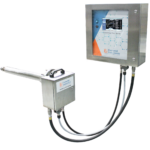
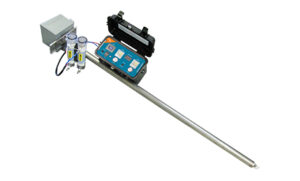
Our team provides installation, commissioning, maintenance, and troubleshooting for industrial monitoring systems. These services support both process measurement and emissions monitoring applications, helping boiler operators maintain reliable data and long-term instrument performance.
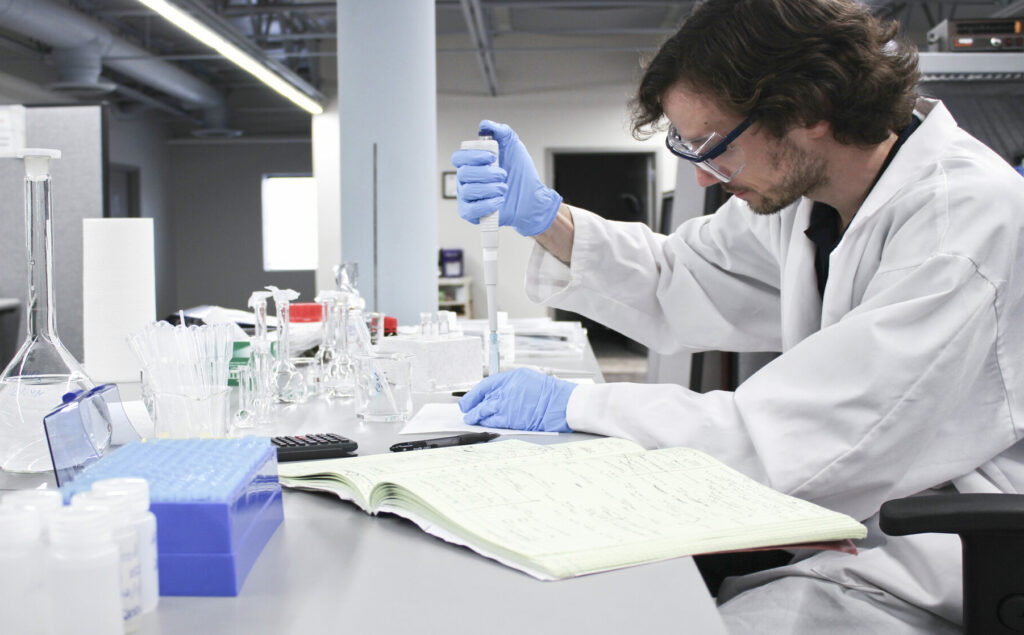
The Ohio Lumex analytical laboratory provides trace-level analysis of samples collected from industrial boiler systems, fuel streams, and emissions testing programs using validated EPA and ASTM methods. Our NELAP and A2LA accredited laboratory supports utilities, industrial facilities, and stack testing firms with accurate and reliable results.
Common Analytes and Methods
Ammonia (NH₃)
Hydrogen chloride (HCl)
Sulfuric acid mist / sulfur trioxide (SO₃)
Mercury (Hg)
EPA Method 30B
EPA Performance Specification 12B (PS-12B)
... and more
Experience & Resources
Ohio Lumex supports industrial boiler operators with specialized measurement solutions for process monitoring, emissions testing, and fuel quality evaluation. Our approach combines field services, accredited laboratory analysis, and analytical instrumentation to provide reliable data for operational and environmental programs.
These capabilities help facilities evaluate combustion conditions, monitor corrosion-related parameters, assess pollution control technologies, and support emissions measurement programs.
Typical Applications
Acid dew point monitoring
sulfur trioxide (SO₃) and sulfuric acid mist measurement
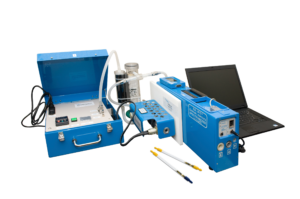
Many testing programs rely on sorbent trap sampling methods to measure trace constituents in gas streams. A sorbent trap is a small glass tube filled with specialized sorbent material that captures specific analytes as gas passes through it. After sampling, the traps are returned to the laboratory where they are analyzed to determine the concentration of the gas of interest.
Sorbent traps are widely used for measuring mercury and other trace constituents because they provide reliable results even at very low concentrations and under challenging conditions. These methods are commonly used in process monitoring and regulatory emissions programs. They can simplify testing while maintaining high analytical accuracy, making them a practical and cost-effective option for many applications.