Sampling, laboratory analysis, and monitoring solutions for natural gas applications.
Ohio Lumex provides a complete, turnkey approach to natural gas analysis, supporting clients with onsite sample collection, sampling equipment and supplies, laboratory analysis, continuous monitoring equipment, methods development, and consulting. Rather than relying on separate vendors for sampling, testing, and monitoring, clients can work with a single experienced partner for integrated natural gas solutions.
The Ohio Lumex Analytical Laboratory is a full-service accredited laboratory offering a suite of analytical methods for natural gas, RNG, biogas, and other gaseous fuels applications. Our laboratory provides testing for general natural gas component analysis, as well as specialized work involving mercury and siloxanes, including projects tied to natural gas pipelines, LNG terminal feed gas, and distribution network investigations.
Ohio Lumex, through our Elemental Instruments division, offers a comprehensive line of gas monitors and integrated monitoring systems optimized for biogas, Renewable Natural Gas (RNG), and Natural Gas (NG) measurement and process monitoring applications.
On-site sampling for natural gas and renewable natural gas (RNG) applications is performed by certified Field Service technicians trained to safely manage high-pressure systems while maintaining sample integrity. Sampling is conducted per approved methods for compliance with pipeline RNG gas quality specifications, the EPA Renewable Fuel Standard (EPA RFS), qualification for 45Z Production Tax Credits (PTC) via ASTM D8080, process control, and upgrading equipment specification.
Ohio Lumex will provide all equipment, supplies, and instructions to sample per the approved methods for compliance with pipeline RNG gas quality specifications, the EPA Renewable Fuel Standard (EPA RFS), qualification for 45Z Production Tax Credits (PTC) via ASTM D8080, including appropriate return shipping cartons and labeling to comply with DOT requirements. Ohio Lumex offers options for RNG sampling classes at our headquarters and onsite.
Experience Matters
Every project is different, and as a leader in Natural Gas (NG) analysis, our experience in continuous monitoring, onsite sampling, and laboratory analysis helps deliver accurate and reliable data that all parties trust.
Our natural gas work includes projects involving RNG pipeline interconnection points, natural gas custody transfer locations, and general natural gas component analysis. With pipeline pressures exceeding 1,000 psi, our certified Field Service technicians are trained and equipped to handle demanding sampling conditions safely while maintaining sample integrity.
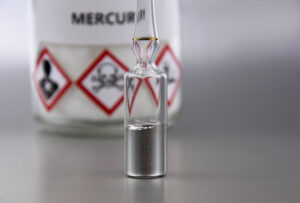
Ohio Lumex also has extensive experience with mercury and siloxanes in natural gas systems, including projects monitoring mercury in natural gas pipelines feeding LNG terminals and investigating siloxane contamination in natural gas distribution networks. In addition to designing and manufacturing equipment, Ohio Lumex has written or helped write official methods and trains field personnel through a rigorous training program.
Accurate dry gas volume calculations are essential for defensible sampling and regulatory compliance. As part of our commitment to precision, we developed an automated Dry Gas Volume Calculator to simplify corrections and ensure consistent results for biogas, RNG, and gaseous fuels applications.
Industry Training & Technical Workshops
In addition to field services and laboratory analysis, we provide biogas and RNG training courses designed to support compliance, proper sampling techniques, and gas quality best practices. These sessions reinforce industry standards and have helped operators improve performance and reduce costly errors.