Home | Applications & Industries | Dairy, Hog, & Pig Farms
Ohio Lumex provides integrated solutions for biogas and renewable natural gas (RNG) analysis at dairy and hog farm operations, allowing clients to work with a single partner for onsite sampling, sampling equipment and supplies, laboratory analysis, continuous monitoring systems, methods development, and consulting. Because livestock biogas can introduce challenges such as ammonia, pesticides, and bacteria that may contribute to pipeline corrosion, accurate monitoring is essential. Ohio Lumex is your one-stop shop that combines experienced field personnel with proven analytical methods to help producers and operators obtain reliable data to support safe and compliant biogas operations.
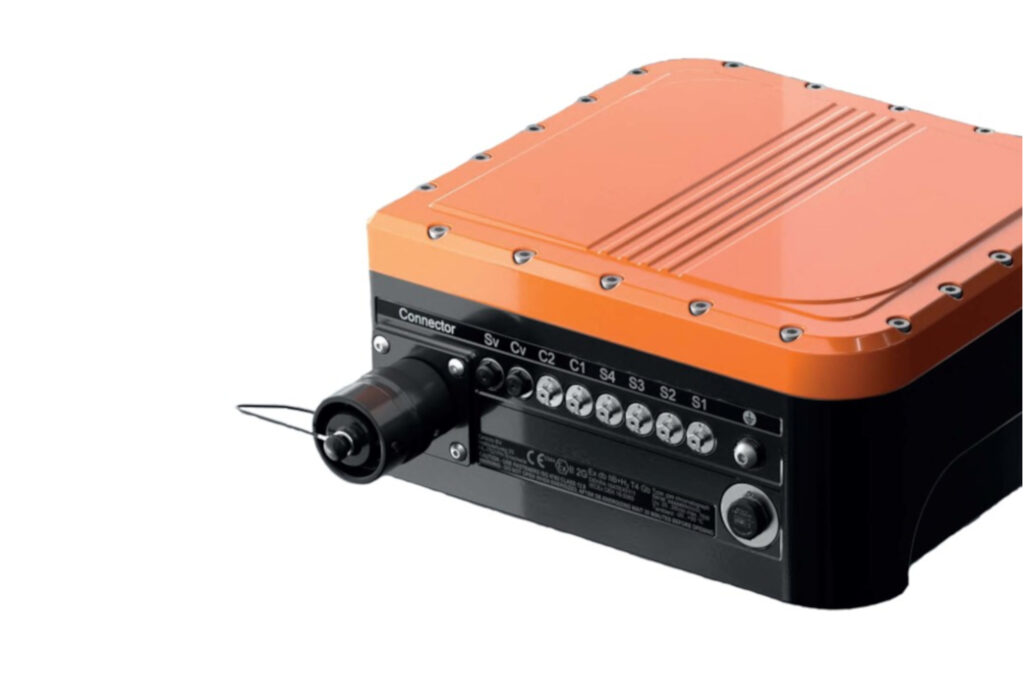
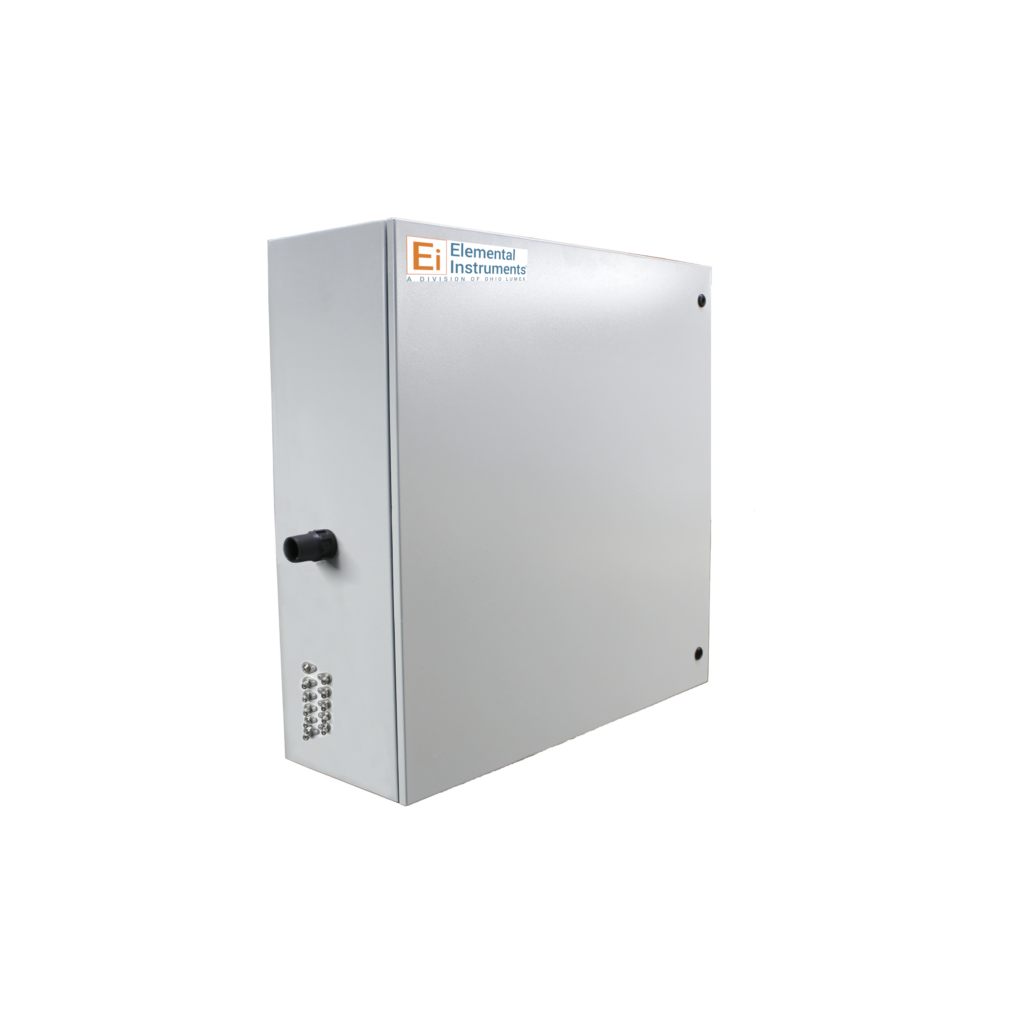
Ohio Lumex, through our Elemental Instruments division, offers a comprehensive line of cost-effective monitors and integrated monitoring systems that have been optimized for Biogas, Renewable Natural Gas (RNG), and Natural Gas (NG) measurements and applications.
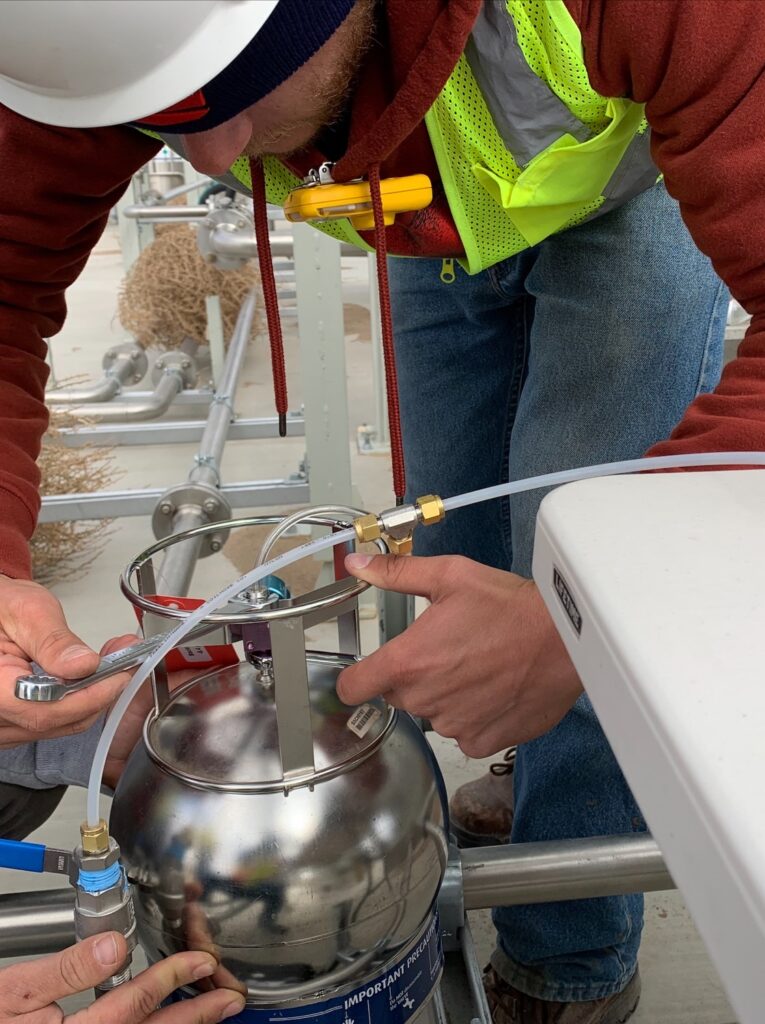
On-site biogas and Renewable Natural Gas (RNG) sampling by certified field service technicians per approved methods for compliance with pipeline RNG gas quality specifications, the EPA Renewable Fuel Standard (EPA RFS), qualification for 45Z Production Tax Credits (PTC) via ASTM D8080, process control, and upgrading equipment specification.
Ohio Lumex will provide all equipment, supplies, and instructions to sample per the approved methods for compliance with pipeline RNG gas quality specifications, the EPA Renewable Fuel Standard (EPA RFS), qualification for 45Z Production Tax Credits (PTC) via ASTM D8080, including appropriate return shipping cartons and labeling to comply with DOT requirements. Ohio Lumex offers options for RNG sampling classes at our headquarters and onsite.
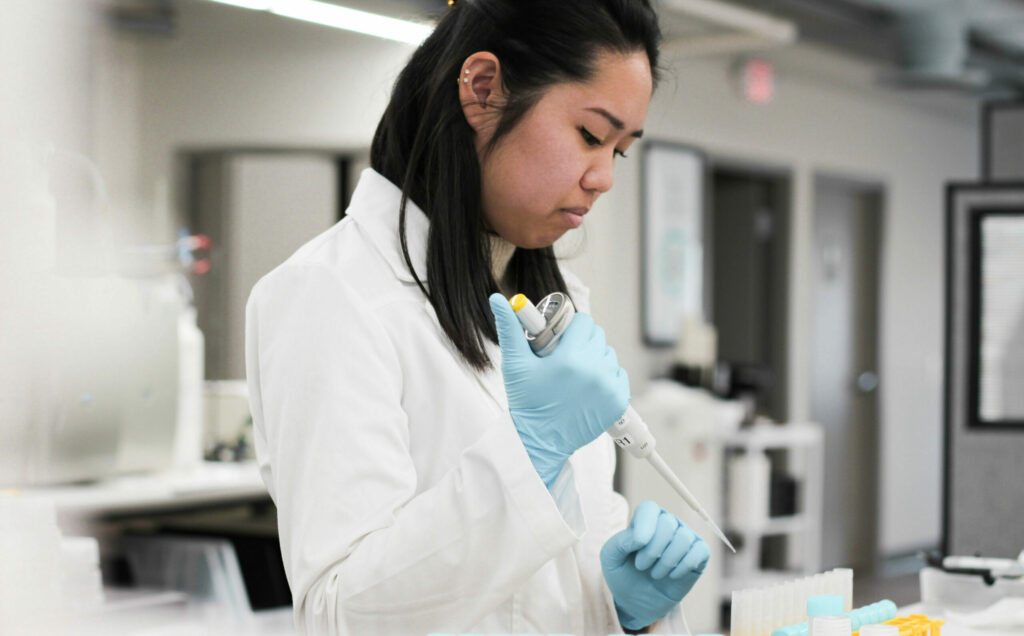
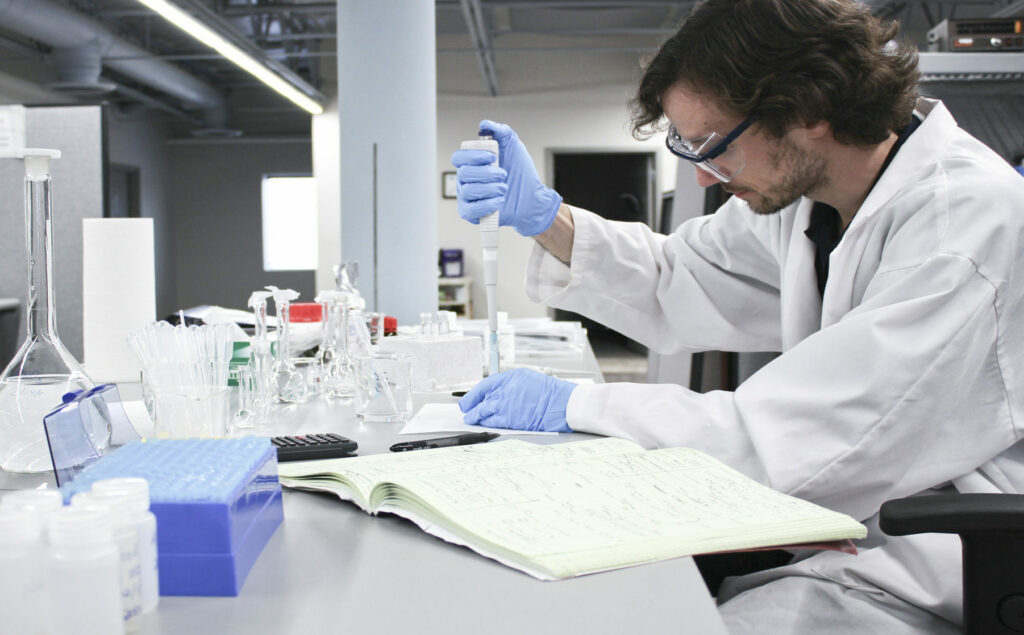
The Ohio Lumex Analytical Laboratory is a full-service accredited laboratory offering a suite of analytical methods for biogas and renewable natural gas (RNG) from dairy and hog farm operations. In addition to major gases, the lab is known for expertise in complex analytes including mercury, sulfur, siloxanes, metals, biologicals, and other trace constituents.
We support analysis for:
Sampling and analysis is complex, and improper handling can impact data accuracy, making experienced laboratory support critical to reliable results.
Biogas and Renewable Natural Gas (RNG) projects are rarely “one size fits all.” Every dairy, hog, and pig farm project is unique, and our team has decades of experience in onsite sampling, laboratory analysis, and continuous gas monitoring, delivering accurate, defensible results that producers, utilities, and pipeline stakeholders can rely on.
Biogas and RNG produced at livestock facilities often present different challenges than other renewable gas sources. While siloxanes are typically less of a concern, trace constituents such as ammonia and pesticides must be monitored and removed to meet gas quality requirements. Bacteria can also present risks, particularly species that contribute to pipeline corrosion. While pipeline operators often look for Acid Producing Bacteria (APB), Sulfur Reducing Bacteria (SRB), and Iron Oxidizing Bacteria (IOB), livestock biogas systems frequently encounter APB-related issues, which may require filtration or other mitigation measures.
Accurate dry gas volume calculations are essential for defensible sampling and regulatory compliance. As part of our commitment to precision, we developed an automated Dry Gas Volume Calculator to simplify corrections and ensure consistent results for biogas, RNG, and gaseous fuels applications.
In addition to field services and laboratory analysis, we provide biogas and RNG training courses designed to support compliance, proper sampling techniques, and gas quality best practices. These sessions reinforce industry standards and have helped operators improve performance and reduce costly errors.
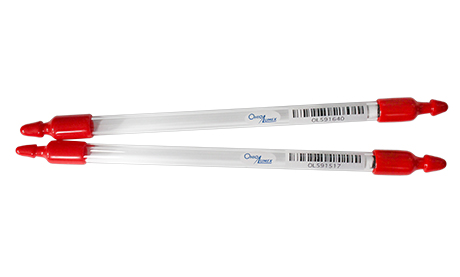
Many gaseous fuel testing programs rely on sorbent trap sampling methods to measure trace contaminants in natural gas, renewable natural gas (RNG), biogas, and other fuel streams. A sorbent trap is a small glass tube filled with specialized sorbent material that captures specific compounds as gas passes through it. After sampling, the traps are returned to a laboratory for analysis.
Sorbent traps are commonly used to measure mercury, sulfur compounds, siloxanes, and other trace constituents that can impact fuel quality, equipment performance, and downstream processing. These methods provide reliable results at very low concentrations while offering a practical and cost-effective approach for many gaseous fuels applications.
Recent articles, regulatory updates, and technical insights from our biogas, Renewable Natural Gas (RNG), and Natural Gas (NG) team.